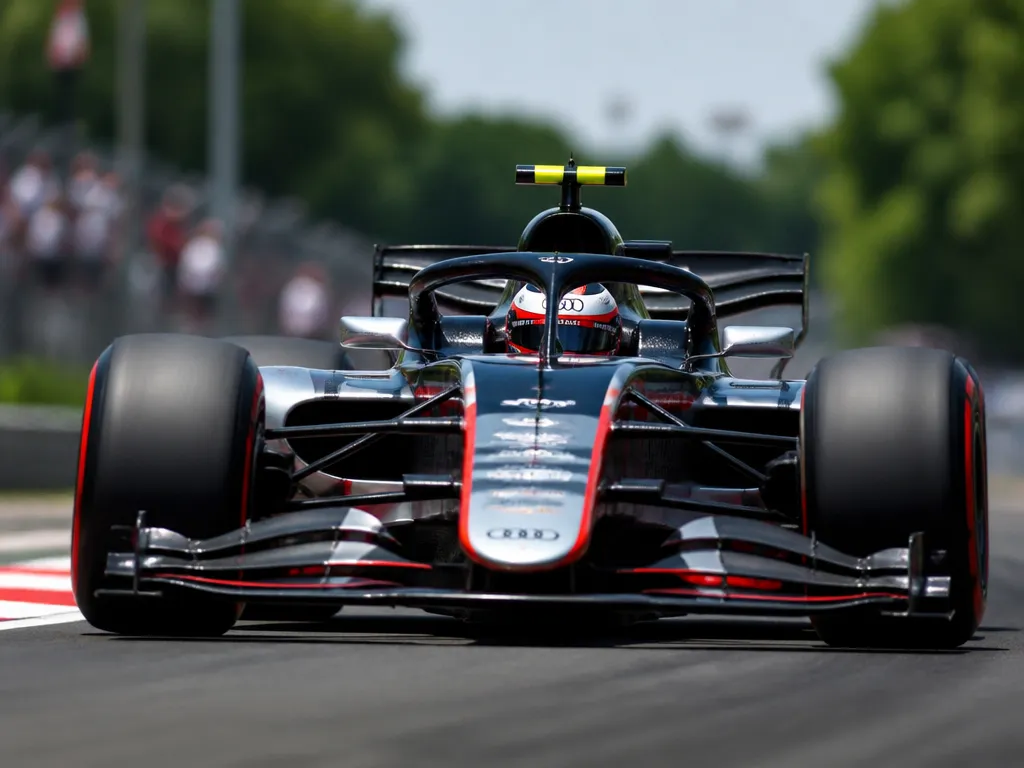
Audi entering the Formula 1 grid means they are pushing their internal combustion engines to the absolute limit of thermal efficiency. A manufacturer like Audi leans heavily on a specific lubricant partnership for this transition to protect high-performance components when they face extreme heat and pressure that would vaporize standard off-the-shelf oil.
Fluid Titanium Technology provides the primary benefit by physically changing the structure of the oil under extreme pressure. This adaptive strength reduces metal-to-metal contact, which minimizes parasitic power loss and maintains maximum output. It keeps the engine internals protected even when operating at temperatures exceeding 300 degrees Fahrenheit during a race.
What Is The Main Benefit Of Castrol Edge Engine Oil In The Audi F1® Car?
Castrol EDGE provides a critical layer of protection that maintains engine power output by minimizing internal friction under extreme thermal loads. This oil formulation prevents metal-to-metal contact within the high-revving internals of the Audi power unit, ensuring that mechanical efficiency does not drop as temperatures climb during a race.
Modern Formula 1 engines operate in environments that would destroy standard passenger vehicle lubricants. Internal components face massive rotational forces and heat levels that push oil to its chemical limits. The primary objective for this partnership is keeping the power unit consistent throughout a full race distance.
Expert Tip: In professional racing, oil is not just a coolant or a cleaner. It is a structural component of the engine design that must withstand thousands of pounds of pressure without breaking down its molecular chain.
Core Performance Objectives
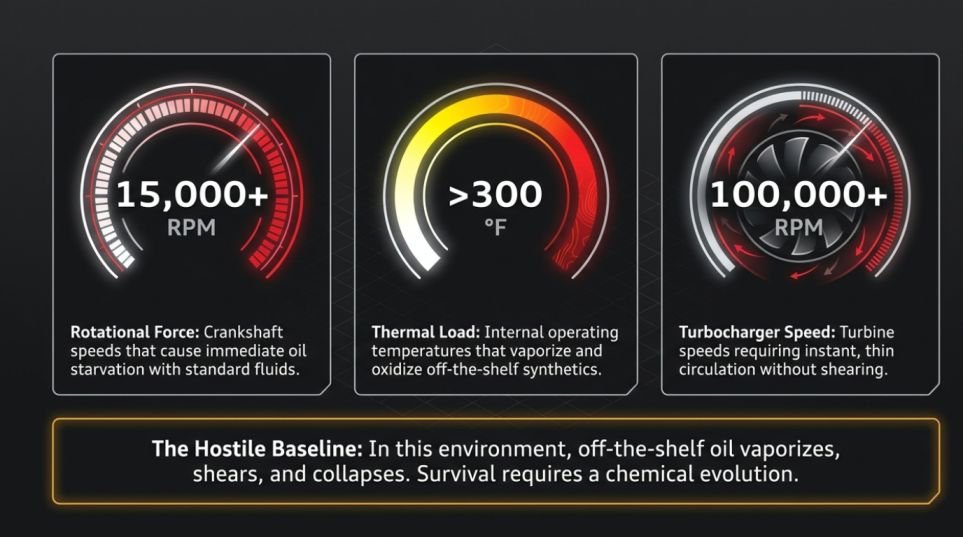
Engineers focus on three specific areas when validating the lubricant for the Audi F1 program. Each of these factors directly influences the car’s ability to maintain competitive lap times without risking catastrophic component failure.
| Performance Factor | Impact on Audi F1 Engine |
|---|---|
| Viscosity Retention | Prevents oil starvation at 15,000+ RPM |
| Deposit Control | Keeps oil channels clear for cooling flow |
| Friction Coefficient | Maximizes horsepower delivery to the drivetrain |
In practice, the difference between a podium finish and a retirement often comes down to these microscopic margins. By preventing the degradation of the lubricant film, the Audi F1 team ensures that the engine delivers maximum output from the first lap to the last, regardless of ambient conditions or heavy traffic on the track.
Mechanics Of Fluid Titanium Technology
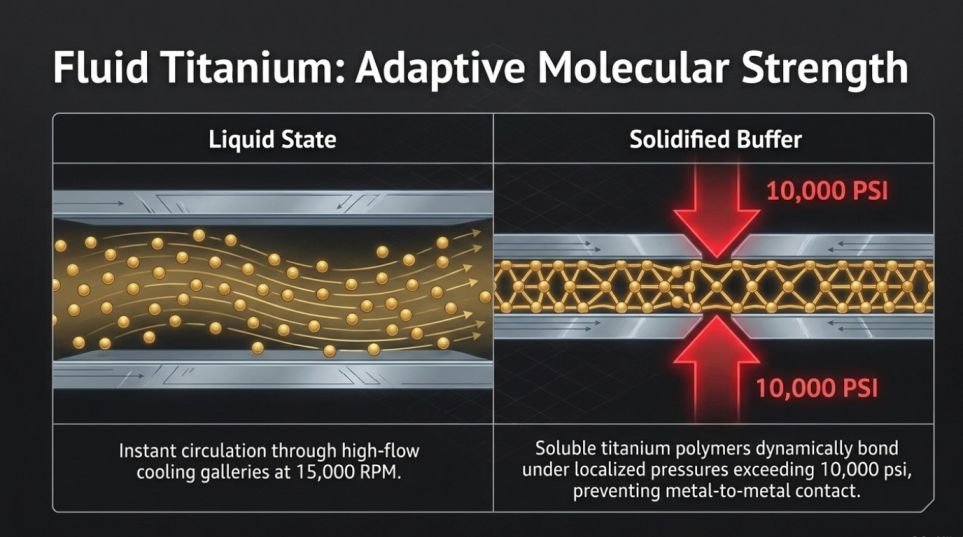
Fluid Titanium Technology works by physically altering the molecular structure of the oil when it encounters extreme pressure zones inside the engine. Under the crushing loads found in F1 racing components, the oil polymers transition into a stronger physical state to prevent metal-to-metal contact. This creates a reinforced buffer that maintains its integrity where standard lubricants would collapse.
Molecular Response To Extreme Pressure
Engine components in a high-performance Audi F1 power unit experience localized pressures that can exceed 10,000 psi at the contact points between cams and followers. The oil contains soluble titanium polymers designed to react specifically to these spikes in force.
Physical Film Strength Explained
Film strength is the ability of an oil to remain between two surfaces under a heavy load. In an F1 environment, heat and pressure work together to thin out traditional lubricants, leading to a breakdown of the protective layer. Fluid Titanium Technology addresses this by increasing the oil’s shear strength proportionally to the pressure applied.
Mechanic’s Note: This functions similarly to a non-Newtonian fluid. While daily drivers utilize gear oils for this effect, F1 lubricants must maintain this extreme protection while remaining thin enough to circulate instantly through high-flow cooling galleries at 15,000 RPM.
The resulting film is significantly more resistant to rupture than conventional synthetic additives. By preventing the oil film from thinning to the point of failure, the engine maintains consistent internal clearances. This preservation of geometry is critical for keeping power output stable throughout the duration of a race distance, as even minor wear patterns can disrupt laminar flow and increase parasitic drag.
Adaptive Strength Under Extreme Thermal Stress
Castrol EDGE maintains a consistent oil film thickness across the high-load surfaces of an F1 power unit, even when internal engine temperatures climb past 300 degrees Fahrenheit. This physical integrity prevents metal-on-metal contact during the sustained, high-RPM operation typical of a Grand Prix race weekend.
Prevention Of Thermal Breakdown
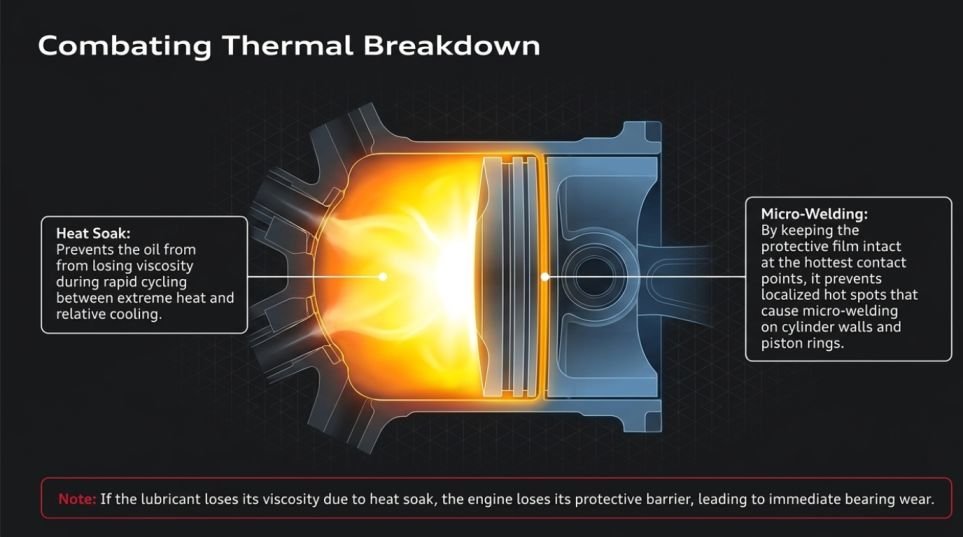
Oil degradation in a high-output turbocharged engine usually begins when molecules shear or oxidize under intense heat. Synthetic lubricants designed for the Audi F1 program utilize specialized base stocks that resist this chemical breakdown, allowing the oil to maintain its viscosity grade despite the rapid cycling between extreme heat and relative cooling periods.
Professional Tip: In a racing environment, the oil temperature is just as critical as the coolant temperature. If the lubricant loses its viscosity due to heat soak, the engine loses its protective barrier, leading to immediate bearing wear.
Thermal stability ensures that the oil does not thin out to the point of failure when the turbocharger shaft spins at over 100,000 RPM. By keeping the protective film intact, the oil prevents the localized hot spots that often cause micro-welding on cylinder walls or piston rings.
Consistency In High-RPM Performance
High-RPM operation requires a lubricant that remains stable under rapid pressure fluctuations. The molecular structure of this oil is engineered to adapt its strength dynamically, providing a robust barrier that resists being squeezed out of tight clearances between the crankshaft and connecting rod bearings.
Consistent viscosity is the primary factor that allows the engine to deliver maximum power output throughout an entire race stint. Without this level of thermal resilience, the engine management system would likely pull timing or limit boost to protect the internals from heat-induced damage.
Mitigating Parasitic Power Loss In Engines
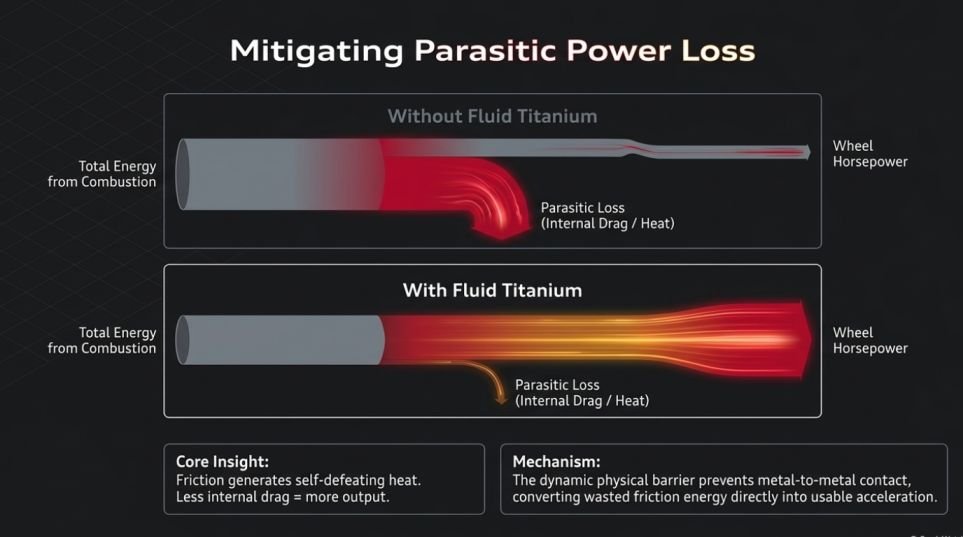
Fluid Titanium Technology reduces parasitic power loss by creating a dynamic physical barrier that prevents metal-to-metal contact under extreme load. This reduction in internal friction allows the rotating assembly to spin with less resistance, directly converting energy that would otherwise be lost as heat into usable horsepower at the wheels.
Friction Reduction Mechanisms
Internal drag accounts for a significant percentage of energy waste in high-output internal combustion engines. By modifying the molecular structure of the lubricant, the oil maintains a consistent film thickness even when the engine faces the massive cylinder pressures found in Formula 1 racing.
Mechanic’s Note: In any high-performance application, the difference between a podium finish and a DNF often comes down to internal efficiency. When you minimize the energy required to overcome internal drag, that power is immediately available for acceleration.
Efficiency gains through advanced lubrication are measurable on the dyno. Engines running with optimized fluid dynamics show less variance in power output as temperatures climb, because the oil continues to keep rotating components separated rather than allowing friction to generate its own self-defeating heat cycle.
Strategic Importance For Audi’s F1 Transition
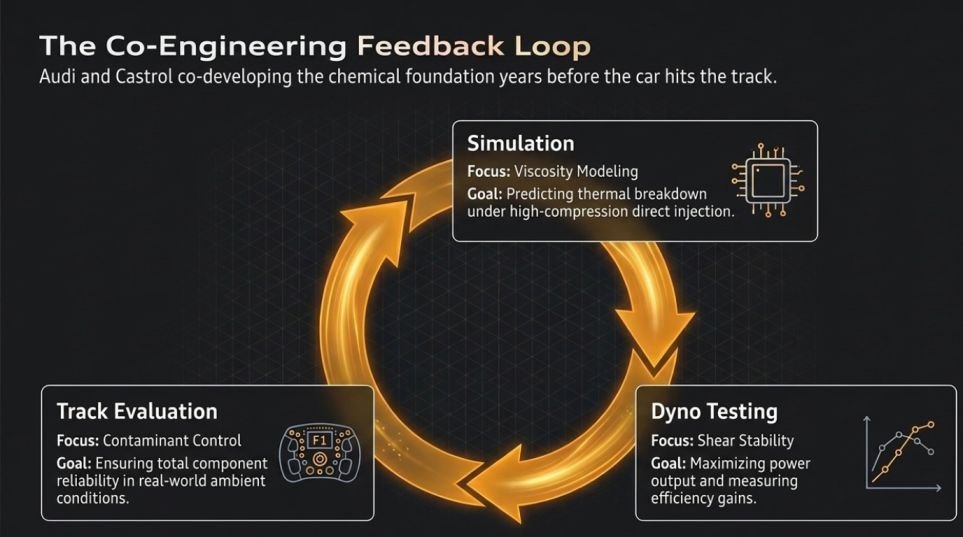
Castrol EDGE provides the chemical foundation for the power unit, enabling Audi engineers to push thermal thresholds beyond conventional limits. This partnership centers on the co-development of lubricants that adapt to the specific metallurgical and combustion characteristics of the Audi power unit before it ever reaches the track.
Power Unit Co-engineering
Formula 1 regulations demand extreme efficiency from the internal combustion engine, making the lubricant a critical active component rather than a passive fluid. Audi works with Castrol to simulate the exact molecular stress points within the engine, allowing for a lubricant formulation that maintains film strength under the massive pressures of high-compression direct injection.
Long-term Development Cycles
Development cycles for F1 power units span several years, requiring a lubricant partner that can evolve alongside the hardware. Audi relies on these long-term data loops to refine the chemical composition of the oil, ensuring that as mechanical tolerances tighten, the lubricant maintains its protective properties without sacrificing fluid efficiency.
| Development Phase | Lubricant Focus | Engineering Goal |
|---|---|---|
| Simulation | Viscosity Modeling | Predicting thermal breakdown |
| Dyno Testing | Shear Stability | Maximizing power output |
| Track Evaluation | Contaminant Control | Ensuring total component reliability |
Engine longevity in modern F1 is not just about material science, it is about how the fluid protects that material. When you run a power unit at 15,000 RPM, the oil is the only thing keeping the engine from welding itself together.
Integrating these technical goals ensures that the Audi transition remains competitive from the first race. By aligning lubricant chemistry with the specific design architecture of the power unit, the team minimizes the risk of catastrophic failure while maximizing the energy density available for every race weekend.
Quick Summary
The primary benefit of Castrol EDGE engine oil for the Audi Formula 1 power unit is its ability to maintain critical lubrication under extreme thermal loads that exceed 300 degrees Fahrenheit. This oil utilizes Fluid Titanium Technology to physically adapt its molecular structure when subjected to intense pressure. By creating a reinforced buffer, the lubricant prevents direct metal-to-metal contact, which minimizes parasitic power loss and reduces internal friction.
| Performance Factor | Mechanism |
|---|---|
| Fluid Titanium Technology | Molecular structure adapts under extreme pressure |
| Thermal Stability | Resists thinning at temperatures exceeding 300 degrees |
| Friction Reduction | Minimizes parasitic loss to maximize wheel horsepower |
| Shear Strength | Prevents film breakdown between rings and cylinder walls |
Frequently Asked Questions
What Is The Primary Advantage Of Using Castrol Edge In An Audi F1 Car?
The main benefit is extreme pressure protection under the intense thermal and mechanical loads found in Formula 1 engines. This helps maintain a consistent oil film to prevent metal-to-metal contact during high-speed racing.
How Does Castrol Edge Perform Under F1 Racing Temperatures?
The oil is engineered to resist thermal breakdown even when engine temperatures spike during high-performance maneuvers. It maintains its viscosity and lubricating properties to ensure the engine components remain protected throughout the entire race distance.
Can I Use The Same Castrol EDGE Technology In My Street Car?
While you cannot use actual F1-grade fluids in a road car, you can use Castrol EDGE products that utilize Fluid TITANIUM technology. This technology is designed to change its structure under pressure to reduce friction and maximize engine performance in consumer vehicles.
Does Castrol EDGE Help With Audi F1 Engine Efficiency?
Yes, by reducing internal friction, the oil helps the engine operate more efficiently. This reduction in drag allows the power unit to deliver more effective energy output, which is critical for competitive lap times.
Why Is Specialized Oil Necessary For High-performance Audi Engines?
Standard oils often fail when subjected to the extreme RPM ranges and heat levels seen in F1 competition. Castrol EDGE provides the specific chemical stability needed to prevent sludge buildup and premature wear in these highly stressed environments.

- 2017 Dodge Grand Caravan Transmission Fluid Capacity: Dodge Grand Caravan Transmission - September 27, 2026
- How Many Gallons Of Transmission Fluid Does A 2017 Gmc Yukon 5.3 Slt Xl Hold: How Many - September 26, 2026
- 17 Gmc Yukon Transmission Fluid Capacity V8 (8l90) Quarts/liters - September 26, 2026